Why HDMI Cables Matter
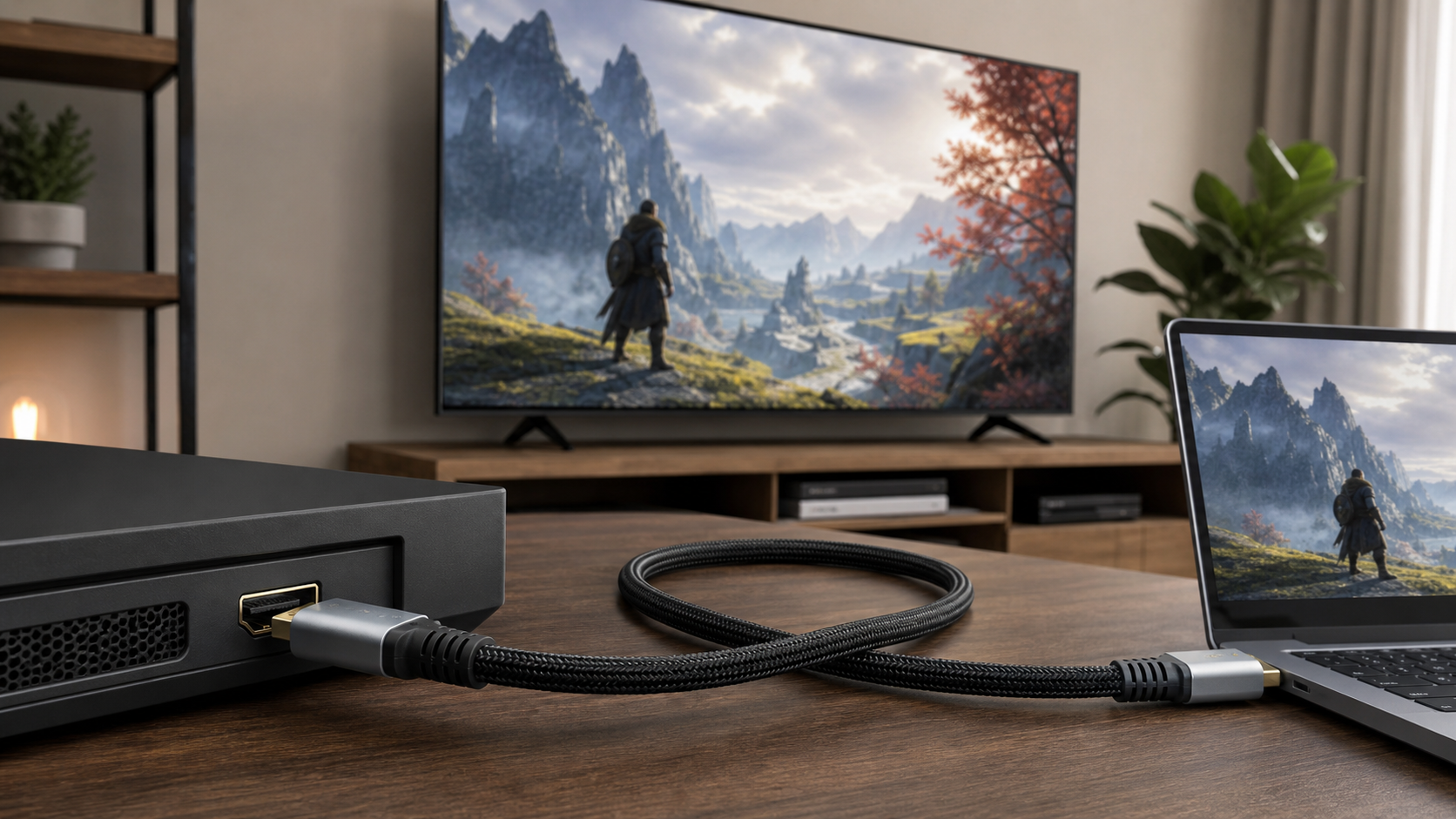
HDMI cables are used in home entertainment, commercial displays, conference rooms, digital signage, gaming systems, and professional AV installations. Although many cables look similar, their performance can vary according to cable version, construction, length, connector quality, and testing standards.
For distributors, system integrators, electronics brands, and project buyers, selecting the right HDMI cable is more than finding the lowest unit price. A suitable cable should match the target devices, required resolution, refresh rate, installation environment, and expected order volume. Working with an experienced HDMI cable manufacturer can also make it easier to maintain consistent quality across repeat orders.
HDMI 2.0, HDMI 2.1, and HDMI 2.2 Cables
One of the first decisions is choosing the appropriate HDMI cable version for the application. HDMI 2.0 cables are commonly considered for everyday display connections and a broad range of consumer and commercial equipment. They can be a practical option when the required video specifications do not call for the newest interface features.
An HDMI 2.1 cable is often selected for newer gaming, entertainment, and display applications that require higher performance. Buyers should check the requirements of the source device and display before placing an order, rather than choosing a version based only on the product name.
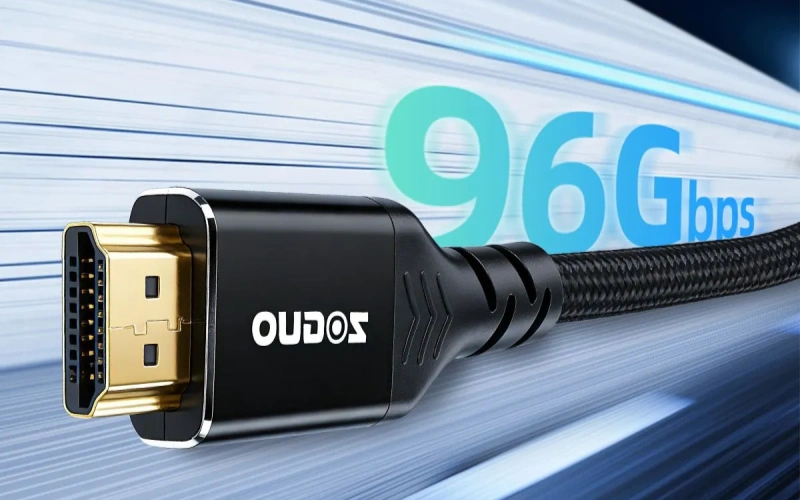
HDMI 2.2 cables can be listed as a separate product category for buyers seeking the latest available cable solutions. Because product requirements differ between applications, suppliers should provide clear specifications and testing information for each model. A professional HDMI cable supplier can help buyers compare the available versions and select the right product for their market.
Key Factors When Choosing an HDMI Cable
1. Application and device compatibility
Start by identifying how the cable will be used. A cable for a television may have different requirements from one designed for a gaming monitor, video wall, meeting-room display, projector, or digital signage system. Check the ports, supported signal formats, resolution, refresh rate, and other requirements of the connected devices.
2. Cable length
Cable length can affect installation planning and signal performance. Short cables are suitable for many desktop and consumer setups, while longer cables may be needed for conference rooms, equipment racks, wall-mounted displays, or commercial projects. For long-distance applications, buyers may need an active or fiber optic HDMI cable instead of a standard passive cable.
3. Construction and materials
The cable jacket, conductor, shielding, connector housing, and strain relief all influence durability. For fixed installations, buyers may prioritize flexibility, pull resistance, fire-rating requirements, or in-wall suitability. For retail products, appearance and packaging can be important. An HDMI cable factory should be able to discuss available materials, connector designs, lengths, colors, and packaging options.
4. Testing and consistency
Testing is especially important for wholesale HDMI cables and repeat B2B orders. Ask about continuity testing, signal testing, connector inspection, and production quality control. Consistent specifications help distributors reduce returns and help brands maintain a reliable product range.
Standard, Active, and Fiber Optic HDMI Cables
Standard passive HDMI cables are suitable for many short and medium-length connections. Active HDMI cables include components designed to support longer cable runs, while fiber optic HDMI cables can be considered for specific long-distance or high-performance installations.
The best choice depends on the project distance, device compatibility, installation environment, and budget. Buyers should confirm the product type before ordering because an active or fiber optic cable may have different installation and usage requirements from a standard passive model.
Why Work With a Professional HDMI Cable Manufacturer?
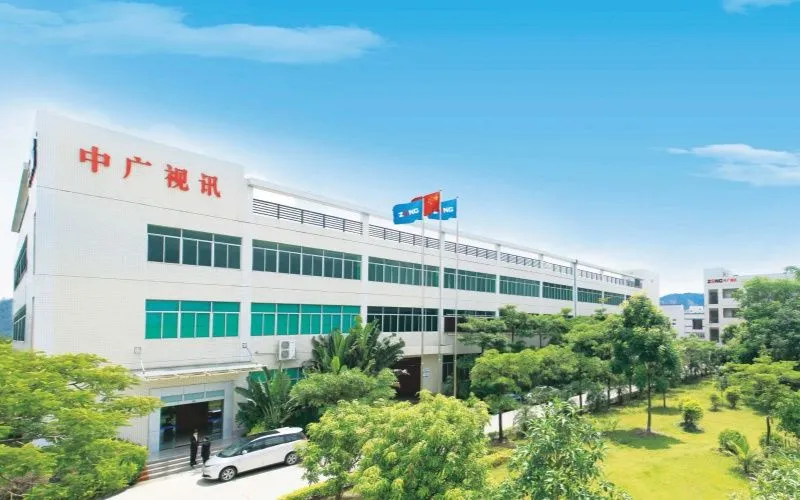
A reliable HDMI cable manufacturer can support more than basic product supply. For B2B buyers, useful capabilities may include stable production capacity, model development, quality inspection, private labeling, packaging customization, and repeat-order management.
An experienced HDMI cable supplier can also help buyers build a more focused product range, such as HDMI 2.0 cables for general applications, HDMI 2.1 cables for advanced display systems, or custom HDMI cables for specific project requirements. Clear communication about specifications, samples, minimum order quantities, lead times, and packaging can reduce risk before mass production.
For brands and importers, OEM HDMI cable and ODM HDMI cable services may provide additional flexibility. Depending on the supplier’s capabilities, customization may include cable length, jacket color, connector style, logo, labeling, packaging, and product assortment.
Questions to Ask Before Placing an Order
Before choosing a supplier, consider asking:
- Which HDMI cable versions and lengths are available?
- What devices and applications is each model designed for?
- Are samples available for compatibility testing?
- What quality-control procedures are used during production?
- Can the supplier provide custom packaging or private labeling?
- What are the minimum order quantity and lead time?
- Can the same specifications be maintained for repeat orders?
These questions help buyers compare suppliers based on product fit, quality, service, and long-term cooperation instead of price alone.
Final Thoughts
Choosing the right HDMI cable requires a balance between technical requirements, installation conditions, product quality, and purchasing goals. By comparing HDMI 2.0, HDMI 2.1, HDMI 2.2, active, fiber optic, and custom cable options, buyers can build a product range that better serves their customers.
Whether you need wholesale HDMI cables, OEM production, or a custom HDMI cable solution, work with a supplier that can provide clear specifications, consistent quality, and dependable communication. Contact our team to discuss your HDMI cable requirements, request product information, and explore a suitable solution for your market.
SEO Keywords Included
- HDMI cables
- HDMI cable manufacturer
- HDMI cable supplier
- HDMI cable factory
- HDMI 2.0 cable
- HDMI 2.1 cable
- HDMI 2.2 cable
- high speed HDMI cable
- custom HDMI cable
- wholesale HDMI cables
- OEM HDMI cable
- ODM HDMI cable
- fiber optic HDMI cable
- active HDMI cable