
Two suppliers quote the same Cat7 construction, one 18% higher than the other, and both are being honest. One is an importer holding duty-paid stock in a bonded warehouse with a declaration in its own name; the other is a trading company that places the order after the buyer pays. The gap is not a markup percentage. It is who carries inventory risk, who owns the documentation and who is still answering the phone when a reel fails on site. The decision usually comes down to how much of that risk the buyer can carry without a local partner.
Quick answer: Buy from an importer when you need 100-500 m per SKU in 3-10 days, or when you need a CPR or RoHS declaration in your supplier’s own name. Buy through a trading company when you need 100-2,000 m of mixed items and can wait 20-35 days plus ocean freight. Factory direct still wins above a few thousand metres. Expect importers to price 15-30% above landed factory cost.
How Do Importers and Trading Companies Differ for Cat7 Cable?
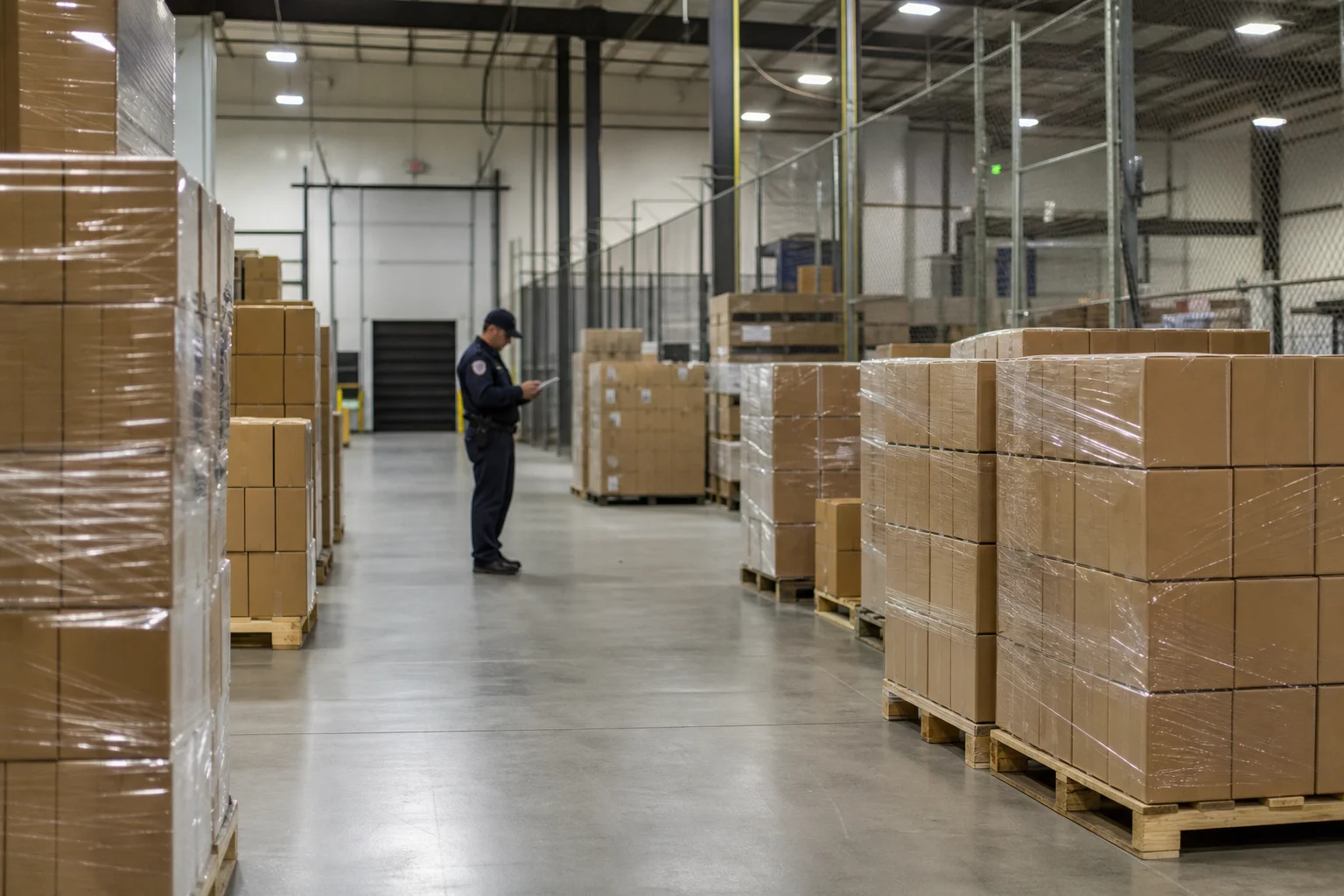
Two suppliers quote the same Cat7 construction, one at a price that is 18% higher and one that looks like a bargain. Neither is lying. One is an importer holding duty-paid stock in a bonded warehouse with a CPR declaration in its own name; the other is a trading company that will place the order with a factory after the buyer pays. The difference between these roles is not a markup percentage. It is who carries inventory risk, who owns the documentation, and who is still answering the phone when a reel fails on site.
Where each role sits in the Cat7 supply chain
The table compares the four channels a buyer can realistically buy Cat7 from. Price positions are indicative and shift with copper, volume and construction; the structural columns are the ones that decide fit.
| Channel | Stock and duty position | Typical MOQ | Lead time | Indicative price position | Documentation owned by the seller |
|---|---|---|---|---|---|
| Factory direct | No stock held for the buyer; duty unpaid | 3,000-10,000 m | 15-30 days production plus ocean | Baseline FOB | Factory certificates, type test report, lot test data |
| Export trading company or sourcing agent | No stock; consolidates several factories | 100-2,000 m mixed | 20-35 days plus ocean | 3-8% above factory FOB | Factory documents passed through, often renamed |
| Importer with bonded or duty-paid stock | Owns inventory; duty and clearance already paid | 100-500 m per SKU | 3-10 days domestic | 15-30% above landed factory cost | Own-name declaration, CPR class, RoHS and REACH statements |
| Technical distributor | Owns stock plus design support and warranty | 100-500 m per SKU | 3-10 days domestic | 20-40% above landed factory cost | Own warranty, project submittals, link certification support |
| Marketplace verified supplier | Varies; usually no local stock | 100-1,000 m | Varies with factory schedule | Near factory FOB plus platform costs | Platform-verified business licence, documents on request |
The trading company earns its 3-8% by reducing search and coordination cost: it knows which factory can run a small LSZH order, handles consolidation and speaks the buyer’s language. That is a real service on a fragmented order. It becomes expensive when the buyer treats the trader as if it were an importer, expecting local stock, own-name declarations and a warranty that the trader cannot legally issue.
The importer earns 15-30% by carrying inventory and duty before a buyer exists. That margin pays for warehouse space, unsold SKUs, currency exposure and the certification work needed to place a CPR class on a product sold in the EU. A buyer who only needs 300 m this month and cannot wait 45 days is not overpaying by much once the cost of holding that 300 m himself is counted.
Buyers comparing channels in the European Cat7 wholesale market should ask a single question early: who is the importer of record on the last shipment, and whose name appears on the declaration? The answer usually identifies the role faster than any brochure.
How buyers control risk when choosing a channel
The controls below apply to every channel, but they are weighted differently: document ownership matters most with importers, and factory identity matters most with traders.
- Ask who holds the stock, in which warehouse, in whose name. A trader with no stock answers vaguely about “our warehouse”. An importer gives a location and a quantity per SKU.
- Confirm the importer of record. The entity that cleared the goods owns the compliance obligations. If it is not the company invoicing you, the documentation chain has a gap.
- Get the declaration in the seller’s name. A CPR class or RoHS statement forwarded from a factory is not the same as one issued by the company you are buying from.
- Match the MOQ to the channel. Asking a factory for 300 m or an importer for 30 km is a sign the buyer has chosen the wrong channel, and both will price accordingly.
- Price on a landed basis. Compare incoterm-adjusted totals including duty, clearance, inland delivery and reel surcharges, not FOB against DDP.
- Check the warranty holder. A trading company can pass on a factory warranty but rarely funds a site visit. Confirm in writing who pays for replacement labour.
- Verify traceability to the production lot. Even a stockist should be able to name the factory lot behind a reel. Without it, a failure cannot be investigated.
- Test the urgent order before you need it. Place one small rush order with each candidate channel and measure the real response, not the promised one.
None of these checks require travel. They require the buyer to decide, before the first PO, whether the priority is the lowest landed cost or the shortest exposure, because the two point to different channels.
Three buyer scenarios and the channel that fits
- Contractor with a 6,000 m project starting in five weeks. A factory direct order will not fit the calendar and a trading company adds a coordination layer without shortening it. The workable answer is an importer for the first 1,500 m to start the installation, with the balance ordered factory direct against a fixed production slot. This blended structure is normal in project work and usually beats either channel used alone.
- Small installer buying 200-400 m per month. Importers and technical distributors exist for exactly this buyer, and the 15-30% premium replaces a cash flow problem, a minimum quantity problem and a compliance problem at once. A trading company is only interesting here if it can consolidate Cat7 with other products on one shipment.
- Distributor building a private-label range, 12 km per year. Factory direct or OEM is the only structure that supports print, packaging and price control, and a trading company can act as the coordination layer if the buyer lacks export experience. At this volume the buyer should own the documentation, not rent it, so an own-name declaration path needs to be agreed before launch.
Buyer question: can a trading company beat an importer on landed cost?
Yes, on a single large order placed early enough to absorb a 45-day cycle. The trading company buys at factory FOB, adds a modest margin, and the buyer clears the goods himself, so the importer’s inventory and duty-carrying cost never enters the price. On a 10 km order with a flexible date, that difference is usually visible.
No, on a small urgent order. Once the buyer adds expedited freight, clearance fees and the staff time to manage documents, the importer’s margin often comes out cheaper than the DIY route, particularly where the buyer has no import history in that market. The crossover typically sits somewhere between a few hundred metres and a few thousand metres, and it moves with freight rates rather than with cable prices.
The honest test is a landed cost comparison on the same delivery date. Buyers who run it usually find that the cheapest channel changes with order size and urgency, which is why holding two qualified channels, one stockist and one factory or trader, is more useful than negotiating a single relationship to the bone. The same logic explains why per-metre Cat7 pricing varies so widely between quotes that appear to describe the same product.
What changes when the order is urgent
Urgency rewrites the comparison. A stockist can ship in 3-10 days because the cable already exists in the buyer’s market; no other channel can match that, and paying 15-30% above landed factory cost is often cheaper than delaying a site by three weeks. Trading companies respond to urgency by offering airfreight, which is rarely economic on copper reels beyond a few hundred kilos, or by promising a factory slot that may not exist.
Buyers in the Middle East and Gulf face a specific version of this trade-off, because clearance and inland delivery add days that a local stockist has already absorbed. Reading the UAE Cat7 distributor model helps clarify what that local premium buys, and why the same construction can carry two very different prices in the same city.
The practical conclusion is simple. Importers sell availability, documentation and short exposure. Trading companies sell access, flexibility and price. Neither replaces the other, and a buyer who understands which one is being quoted can negotiate the right thing instead of arguing about a number.
FAQ
1. Is it cheaper to buy Cat7 from an importer or direct from a factory?
Factory direct is cheaper per metre on orders large enough to absorb a 45-day cycle, typically above a few thousand metres. Importers add roughly 15-30% over landed factory cost but deliver in 3-10 days from local stock. The crossover depends on order size, urgency and freight rates rather than on cable price alone.
2. What does a Cat7 trading company actually do?
It sources from one or more factories, consolidates orders, handles export paperwork and communicates in the buyer’s language, typically adding 3-8% over factory FOB. It usually holds no stock and issues no own-name declaration. The service is real on fragmented or small orders, and thin when the buyer already has import capability and volume.
3. Who is responsible for CPR compliance on imported Cat7?
The importer of record carries the obligation in the EU, so the declaration should be in the name of the entity that cleared the goods and placed them on the market. A buyer receiving a factory’s declaration passed through a trader should confirm who holds the legal responsibility before the cable is installed in a project.
4. How much stock does a Cat7 importer normally hold?
Typically 100-500 m per stocked SKU, across a limited range of constructions and lengths, and often concentrated in the colours and jacket types that move fastest. Long-tail colours, uncommon lengths and LSZH variants are usually made to order even by importers, with lead times closer to factory schedules than to local stock.
5. Can a trading company provide a warranty?
It can pass on the factory warranty, but it rarely funds site remediation, because it holds no stock and no local technical team. Ask in writing who pays for replacement cable and labour if a lot fails. Technical distributors usually answer that question directly; traders usually answer it by referring back to the factory.