Quick answer: Two directions exist and only one is defensible. Feeding a headphone output into a passive speaker cannot work, because a headphone amplifier delivers milliwatts while the speaker needs watts. Feeding an amplifier output into headphones or a headphone input is worse, since the voltage is far above what those devices expect. An adapter changes the shape of the plug, never the signal level.
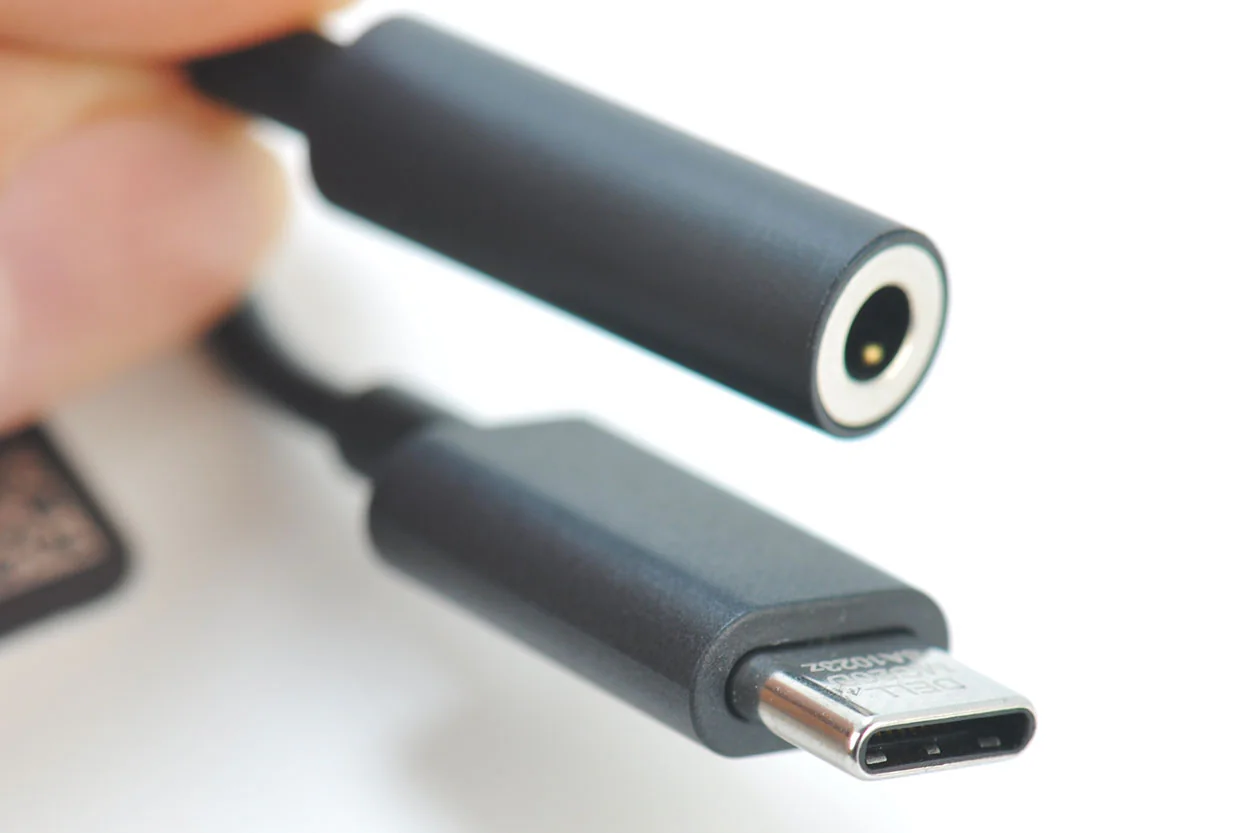
The adapter is sold as a convenience, and the photo shows a plug on one end and a pair of bare wires on the other. What a photo cannot show is which end produces signal and which end expects it. That one question decides whether the part is a harmless patch or a way to cook a voice coil on the first song.

Which end is the source
Signal flows in one direction, and both devices on either side of an adapter usually have opinions about what they are willing to receive.
A headphone output into a speaker
This is the case most people actually want. A phone, a laptop or a TV feeds headphones through a small chip amplifier rated for something like a few tens of milliwatts. A passive speaker asks for watts, and its impedance is a fraction of a headphone load.
Wired together, the result is a quiet, thin sound with the source working at its limit. Nothing catches fire, but the arrangement cannot deliver the level and the small amplifier may distort early or shut down on a hot day.
A speaker output into headphones
Here the danger is real. A power amplifier puts out several volts and enough current for a loudspeaker. Headphones and headphone inputs expect a fraction of that, and their drivers are small. One accidental turn of the volume can exceed what the driver survives.
Impedance is not a formality
Load impedance sets how much current a given voltage produces. Headphones sit in the tens of ohms and up, speakers sit at four to eight ohms, and an amplifier is designed around one of those ranges. Plugging a load outside the design range either asks for current the amplifier cannot supply or delivers a voltage the load cannot absorb.
Resistance in the cable adds to that picture. A thin adapter lead a metre long contributes a measurable share of the total when the load is four ohms, so the adapter is not electrically invisible even when the connectors fit.
Adapters that do make sense
Some conversions are routine, because both ends were designed to meet at that level. The table separates them from the combinations that only look similar.
| Signal direction | Endpoints | Can it work | What fails first |
|---|
| Headphone out to passive speaker | Small amp, bare wire | Not at usable level | Volume and bass, then distortion |
| Speaker out to headphones | Power amp, small driver | No, unsafe | Headphone driver, then hearing |
| Headphone out to powered speaker | Small amp, aux input | Yes, with care | Nothing, if the gain is turned down |
| Speaker out to line input | Power amp, mixer | No | Input stage of the mixer |
What a workable setup looks like
If the goal is sound from a passive speaker, the chain needs three parts: a source at line level, an amplifier rated for the impedance of the speaker, and a cable from the amplifier output to the terminals. An adapter belongs nowhere in that chain, because it solves a connector mismatch and not a power mismatch.
The hidden trap: a jack that is also a switch
Some amplifiers use the headphone socket as a switch. Inserting a plug disconnects the speaker terminals, so the cabinet goes silent the moment the adapter goes in. That behaviour looks like a fault, and it is normal for that design.
On other units the headphone socket carries only the preamp signal, which is fine for headphones but cannot drive a speaker at any level. Reading the manual for that one sentence saves an afternoon.
Practical scenarios
- TV with only a headphone socket: add a small amplifier between the socket and the speakers instead of adapting the wire, and the level problem disappears.
- Testing a spare driver on the bench: use a small amplifier with a volume control, never a phone, so the drive level stays predictable.
- Adding a second room of sound: a powered speaker taking the headphone output through an aux cable is the sane version of this idea.
- Someone offers to patch a cabinet into a mixer: stop there, because the mixer input will not survive the voltage.
FAQ
Can a headphone jack power a bookshelf speaker?
No. It can produce a faint sound at best, and the small amplifier inside the device is not built to deliver the current a speaker needs.
Will an adapter make a speaker louder?
No. An adapter only changes the physical connection. Level comes from an amplifier with enough output for the load.
What do I need to connect a phone to passive speakers?
An amplifier between them. The phone feeds the amplifier at line or headphone level, and the amplifier drives the speakers through proper speaker cable.
Next step
Decide the direction first, then buy the parts that match it. The 3.5 mm audio cable guide covers the small signal side, the 3.5 mm to speaker wire page explains what that breakout can and cannot do, and the aux cable guide covers device to device links.
See the matching cables and adapters