Do You Really Need A New HDMI Cable?
Say you have a new 4K television set, or that the latest home theater model is coming your way. Does this mean you have to toss out your current HDMI cables and purchase new ones as well? There are no clear-cut answers here as it all depends on the situation.
Cable Application
To emphasize again, the end usage will affect the decision of buying a new HDMI cable. If you don’t have the most appropriate cable for a particular function, then you really have to buy a new one. You can’t just use an existing Standard HDMI cable when you want the HD experience in your vehicle – it’s just not built for that kind of environment. Or rather use an automobile HDMI cable when you want Ethernet features, just because they’re both labeled as High-Speed. What we have to be firm about is to use an HDMI cable devised and constructed for its designated function.
Cable Lifespan
It’s also important to note that all material things, including HDMI cables, are subjected to the natural wear-and-tear process. Structural and functional degradations occur over time and the older it becomes, the more the cable becomes susceptible to failure. Always consult cable manuals or your professional service provider about the cable’s projected lifespan. Unless you risk getting crappy reception during football championships or, much worse situations, replace old cables with new ones.
Display Specifications
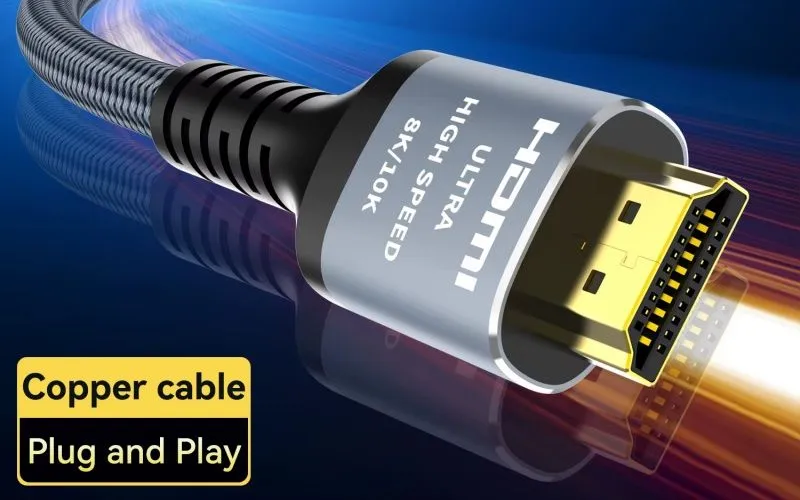
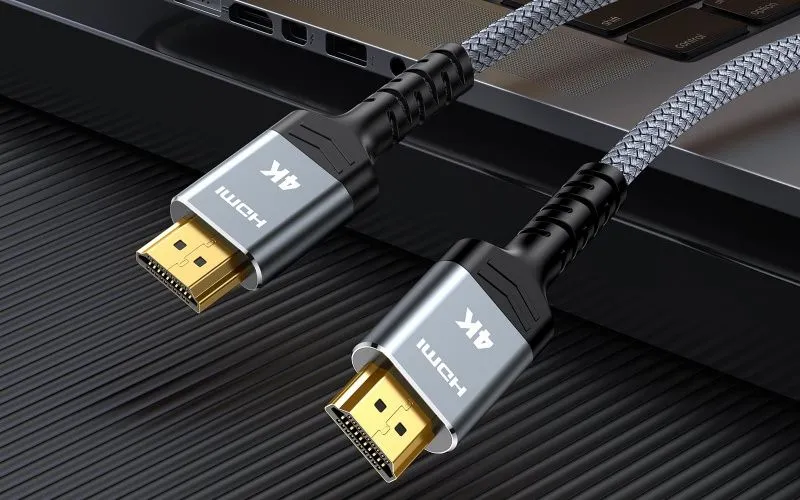
It actually doesn’t hurt to consider your display device’s specifications before deciding on the cable to use it with. If your display supports HD (720p to 1080i) viewing, then the Standard HDMI Cables you already have are perfectly fine. When your display says its HD (1080p), UHD or 4K-compatible, then consider using High-Speed HDMI Cables instead. Likewise, for higher resolutions ranging from 5K to 10K, it is highly recommended to use Ultra High-Speed HDMI Cables.
Remember that these cables are international standards – these were tested and proven to work best for certain display conditions. These are not just cables randomly assigned with numbers nor functions. Having a theoretical approach by following approved cable standards hence should not be eliminated in the picture.
Personal Experience
Much controversy has sparked over the years due to the claims that all HDMI cables are more or less the same. That we can’t know for sure. It is important to note that these are product reviews of various people, using various product brands, at different times. So relying on these words to buy or not to buy new cables doesn’t seem to be right.
It’s likely that you have some HDMI cables already and upon checking with your display device, they are compatible. It’s entirely possible they will work out, but then again, they might not. The only way to know for sure is to test them out. If your media source sends 4K signals and your display device is receiving them, then you’re all set. Otherwise, double check your set-up first before considering new cables.
Remember that these cables are international standards – these were tested and proven to work best for certain display conditions. These are not just cables randomly assigned with numbers nor functions. Having a theoretical approach by following approved cable standards hence should not be eliminated in the picture.